Yearly Archives: 2019

An early warning tool for quarantine plant pathogen detection
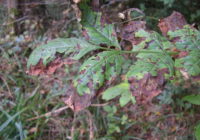
Ash dieback

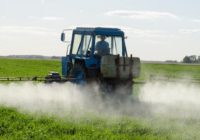
Once plant pathogens have spread and settled in a certain area, eradication is extremely difficult. Prevention by early detection at ports of entry is fundamental, especially in the context of growing global mobility and trade. In their new paper published in AMB Express, researchers developed a reliable and fast diagnostic assay for the early detection of quarantine pathogens such as Xylella fastidiosa.


Airborne viruses inside “germ factories”

Fotolia_58475858_Subscription_Yearly_XL.jpg

Compared to bacteria and fungus, the airborne viral microbiome in built environments, is relatively understudied. Recently published research in Microbiome looks to address this imbalance by examining the virome of a daycare center over the course of a year and was inspired by the seasonal pattern of illnesses picked up by the author’s daughter in a similar daycare.

The canary in a superbug mine

OIMG_4543

Birds inhabit a range of habitats around the world and play a crucial role as sentinels of antibiotic resistance in the environment. A recent study published in BMC Biology used an innovative approach to detect antibiotic resistance genes in microbiomes of birds from the most remote locations to those from wastewater treatment facilities: here to explain the work are the authors of the paper.

Reducing numbers of malaria-transmitting mosquitoes using gene drive technology: a modelling approach

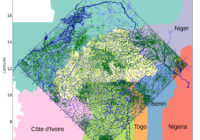
Figure 2 The Study Area

Malaria-transmitting mosquitoes pose a serious threat to human health, and numerous approaches to reduce these disease-vectors are currently in use or development – including release of genetically modified mosquitoes. Here, Dr Ace North describes his recent paper in BMC Biology, showing how mathematical modelling can be used to plan and predict the effects of such approaches for maximal effect.

Golden Death Bacillus – the nematode digesting bacteria with biocontrol potential

feature image

Parasitic worms can cause huge damage by infecting humans and livestock, but the effectiveness of drugs commonly used against them is waning due to increasing resistance. Here Tony Page discusses his group’s study in BMC Biology on how the “golden death” bacterium, Chryseobacterium nematophagum, which digests parasitic nematodes from the inside out, could potentially be used as a future biocontrol agent.