Yearly Archives: 2023

Happy 10th birthday to BugBitten

Birthday_Cake_with_Candles_(Unsplash_M20ylqCzSZw)

I find it hard to believe that 10 years have passed since the BugBitten blog was born. Initiated by board members of Parasites & Vectors and hosted by the journal, a small group of enthusiastic volunteers and a BioMed Central staff member launched into the new experience of writing blogs, with the objective of publicising… Read more »

When ticks fly: Can static attract the Lyme disease carriers without touching?

Ixodes-ricinus_B

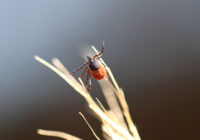
Even if you find ticks repulsive, your skin’s electrical charge may find them positively attractive. Previously assumed to require direct contact to spread, scientists at the University of Bristol have found that ticks may be able to ‘fly’ across short distances using the power of static electricity. Could this understanding be harnessed to better protect humans and animals from the bugs?

A Tale of Two Conferences

ESA meeting

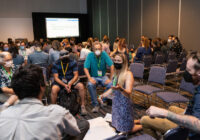
Krisztian Magori reports on two very different conferences he attended over the summer, and what he learned at them, both about pathogens and vectors, and also about the pros and cons of attending different events in different modalities.

Locally acquired malaria in Europe and the US

negotiation-3280345_1280

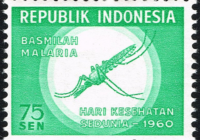
In June 2023, concerning news of locally acquired malaria was reported in the US – the first such cases in twenty years. At the time, there were fears that these could be the first signs in an outbreak. Nearly two months on, what important issues did these cases highlight?

Parasitizing deep-sea hydrothermal vents

Deep-sea Hydrothermal Vent

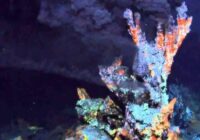
What do deep-sea hydrothermal vent ecosystems tell us about parasite richness, diversity and the advantage of certain life history traits? Researchers at the Woods Hole Oceanographic Institution and University of California research this question by collecting and analyzing parasite groups from hydrothermal vents.