Yearly Archives: 2014

From plant genetics to publishing, over 30 years in science

Sheila McCormick

This is a guest post by Sheila McCormick, an editor for BMC Plant Biology. To mark International Women’s Day, she takes a look back over her career in plant genetics and publishing. When I started college at Illinois State University,  I thought I might become a high school biology teacher. But as the semesters went… Read more »

Inspiring change – marking International Women’s Day

iwd_square

Since its inception in the early 1900s International Women’s Day has witnessed lots of changes both in societal attitudes and equality. The work in creating an equal society is far from over and this ties in with this year’s theme of ‘Inspiring Change’. In light of this theme we’ve asked some of our Editors to… Read more »

Here’s to our reviewers!

Man reviewing page

When a researcher gets their work published, months of hard work and dedication finally pay off. The rewards of being published in a reputable journal are immediately obvious, but what about the hard work that goes on behind the scenes? Peer review remains the gold standard for the evaluation of new research and key to… Read more »

Connacht Ulster Alliance demonstrates value in a shared consortium repository for smaller institutions

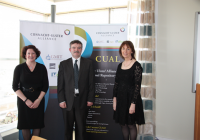
CUA Launch Repository on Open Repository's DSpace Platform

  James Evans, Product Manager Open Repository writes: The Connacht Ulster Alliance launched their repository on Tuesday February 18th, attended by staff and the Presidents of the three Institutes in the CUA. The CUA is a strategic partnership formed by Galway-Mayo Institute of Technology (GMIT), Letterkenny Institute of Technology (LYIT) and  Institute of Technology, Sligo… Read more »

How should citizen science be published? A debate at Citizen Cyberscience Summit 2014

Fraxinus – each player contributes small but useful data helping to understand the cause and susceptibility to the ash dieback fungus

Citizen science – the public participation in gathering data for scientific studies – is certainly not new, but facilitated by the ease of sharing information online, the opportunities for the public to engage in scientific data collection have increased in recent years. Zooniverse, one of the most successful platforms facilitating citizen science experiments, recently announced that they now have over 1 million registered users (this map shows how geographically diverse they are), quite an impressive milestone to reach in just seven years.

But what are the implications of publishing scientific studies which, by definition, rely on the engagement of a broad group of participants?

BioMed Central is organising a panel discussion at the Citizen Cyberscience Summit to discuss this question, rounding off the second day of the conference in London this Friday.

1

Open access to African research – Is it enough?

Open Access in Africa

Written by Ruth King   Open access is just one part of a successful research process. I am reminded of that during every conversation I take part in about open access to African research. It can end up sounding simplistic compared to the complex issues that surround it, such as availability and uptake; building capacity… Read more »

Nominate your research winners of 2013

RA-2012-Photos

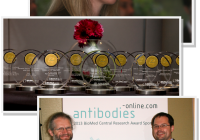
Which research articles and researchers of 2013 deserve recognition? It’s a tough question to answer. Last year was another fantastic year for open access research, and not least here at BioMed Central. 25,000 articles were published with us, across topics as diverse as malaria metabolics, the genomics of chocolate, and the link between night work… Read more »

Lights, Camera, ACTION! – EvoDevo introduces video to its PDFs

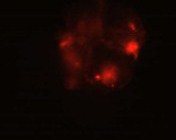
Fig 6 g' showing a DIC image of a cleavage arrested embryo

Guest blog post from Mark Martindale and Max Telford, Editors-in-Chief, EvoDevo Change over time is a central theme in biology, and of particular importance in the fields of developmental and evolutionary biology. Working at the interface of these fields, evodevo research frequently uses video recording as an important measure of specific biological events. Recognising the… Read more »